

birth trauma services
Birth trauma doesn’t always come from what happened medically. Many people experience birth as traumatic because of how it felt — particularly if they felt frightened, powerless, unheard, rushed, or unsafe at any point.
For some, the impact is immediate. For others, it shows up months or even years later — often when becoming pregnant again, facing birth once more, or reflecting on their experience for the first time.
You might recognise things like:
intrusive or distressing memories of your birth
strong emotional or physical reactions when reminded of the experience
heightened anxiety, panic, or feeling on edge
feeling shut down, disconnected, or numb
difficulty making sense of what happened
a sense that the experience still feels close
If any of this resonates, you’re not alone — and it doesn’t mean you’re weak, overreacting, or failing to “move on”.
when birth experiences remain unresolved
A core part of my work is supporting birth experiences to be properly processed and integrated, so they no longer continue to affect you in ways that feel overwhelming or intrusive.
When this processing hasn’t yet happened, the brain and body can remain in protective patterns — responding as though something still needs attention. This can feel confusing and exhausting, especially when time has passed, life has moved on, or you’re pregnant again and preparing for a different experience this time around.
Trauma-informed support focuses on helping the nervous system settle, so memories feel less intrusive and carry less emotional or physical charge. This isn’t about erasing what happened, but about allowing the experience to take its place as part of your story — without continuing to shape your day-to-day life or future choices in unwanted ways.
how i approach birth trauma recovery
My approach is grounded in trauma-informed care, meaning you remain in control at all times — of the pace, the depth, and the direction of the work. Nothing is rushed, forced, or predetermined. You choose what you share, how much you explore, and when.
Over more than five years working with families as a birth trauma practitioner, I’ve seen how powerful it can be to have space where your experience is centred, validated, and gently explored — without pressure to justify how you feel or explain yourself.
In most cases, I recommend beginning with an independent birth reflection session. This offers a calm, supportive space to talk through your experience, ask questions, and begin to make sense of what happened. From there, we can decide together whether further support — such as Three Step Rewind Therapy — would feel helpful for you.
Birth trauma recovery services
These are the two ways I support families through birth trauma recovery. Many people begin with a birth reflection session and then decide whether additional support feels right.
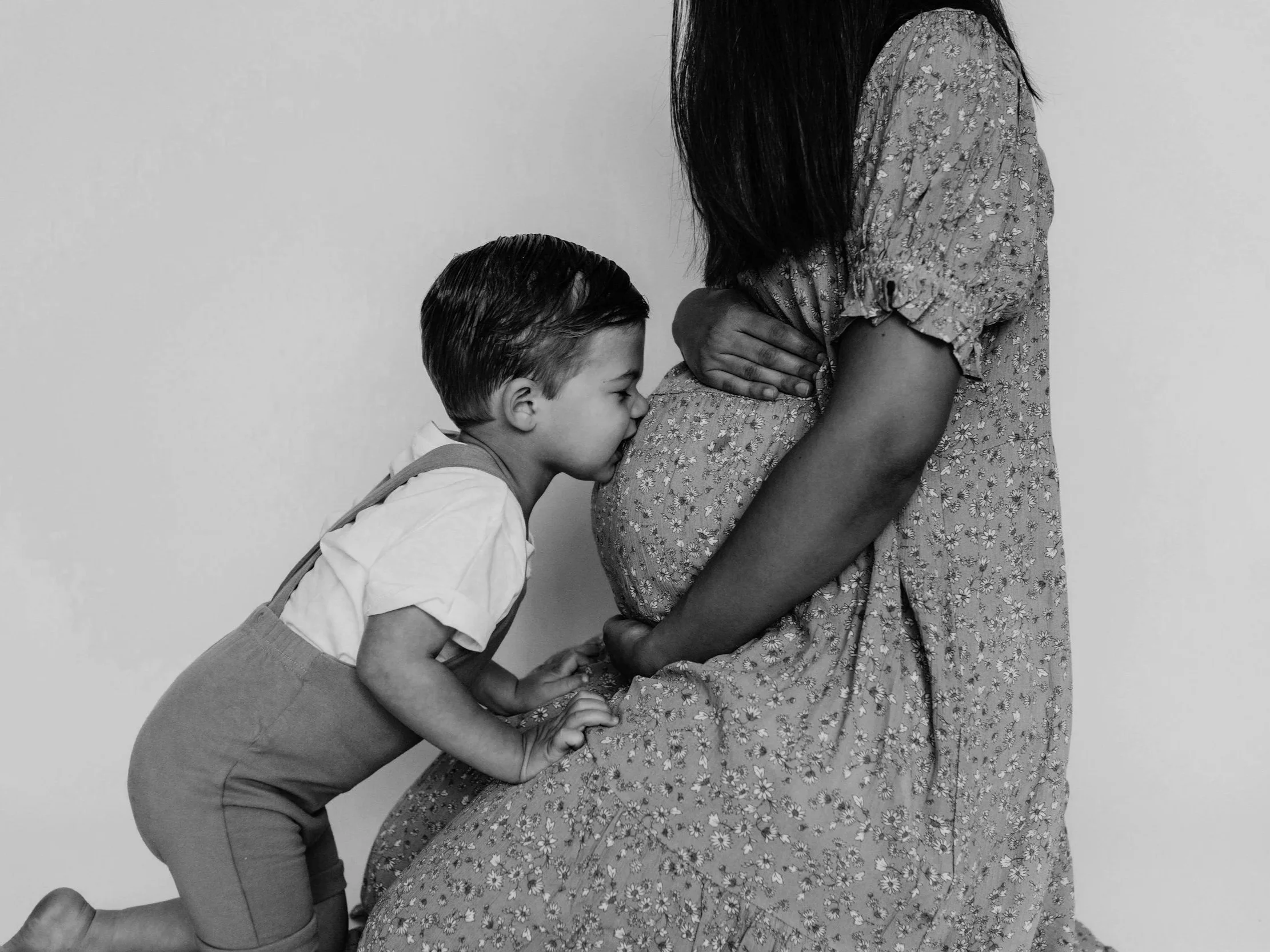
Independent Birth Reflection Sessions
(90 minutes)
These sessions offer a calm, supportive space to talk through your birth experience outside of the medical system, without agendas, time pressures, or clinical outcomes.
These 90-minute sessions are led entirely by you, and shaped around what feels most important to explore. They provide an opportunity to reflect on what happened, ask questions, and begin to make sense of your experience in a way that centres your emotional reality - not documentation, policy, or explanation.
Many people find it deeply validating to have their experience listened to and acknowledged, particularly if they felt unheard, rushed, or overwhelmed at the time.
For some, this session alone is enough to support meaningful processing of the experience and bring a sense of relief. If it becomes clear that further support may be helpful, we can talk together about continuing into Three Step Rewind Therapy.
Three Step Rewind Therapy
(3 sessions)
This a gentle approach to trauma recovery drawn from neuro-linguistic programming (NLP). It works by helping to break the neurological pathway between the remembering the traumatic experience and the distressing emotional or physical responses it can trigger.
This approach supports the brain to reprocess the memory into the long term memory store so it no longer activates the nervous system in the same way. For many people this brings a significant reduction in trauma symptoms and allows them to move forward without the experience continuing to impact day-to-day life.
It takes place over 3 sessions:
a 90 minute birth reflection session, to talk through your experience and ensure readiness for the work
a 60 minute rewind session
a 30 minute follow up session to support integration
Sessions are available online via Zoom or in person, depending on what feels most comfortable for you. I’ve supported birth trauma recovery for families internationally, including clients based overseas.
If you’re unsure where to begin, a clarity call offers space to talk things through and consider the most supportive next step for you.